Field Staff Training
Practical guide to planning and delivering enumerator training and survey manuals for in-person and phone surveys, emphasizing safety, ethics, data quality, and continuous retraining.
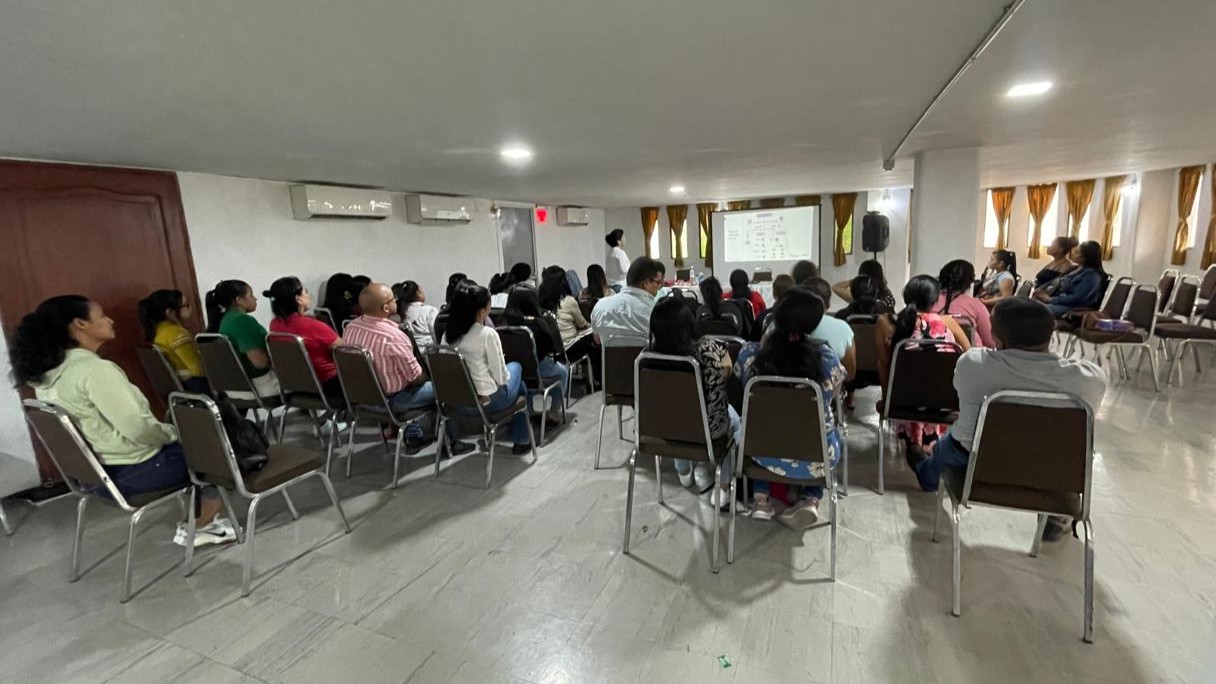
- Great data starts with well-trained enumerators and clear survey manuals.
- Training should cover ethics & consent, safety, device/software use, instrument mastery, role-plays, and certification.
- Plan for ongoing retraining guided by HFCs, back checks, and accompaniment, not just a one-off event.
Core training components
A well-structured enumerator training combines foundational concepts, hands-on practice, and operational guidance. The goal is to ensure that field staff not only understand what to do, but also why each protocol matters, linking correct implementation to data quality, respondent safety, and ethical research standards.
This section outlines the essential components that every training should include, regardless of data collection mode (in-person, phone, or mixed): from introducing the study and reviewing field protocols to developing probing skills, practicing full mock interviews, and preparing teams for real-world challenges they will face during implementation.
- Orientation & roles:Introduce the project, roles, reporting lines, and how to raise issues.
- IRB, ethics, and consent: Human subjects training; consent scripts; vulnerable populations; privacy.
- Safety & security: Route planning, check-in rules, emergency contacts, incident reporting.
- Instrument walkthrough (question-by-question): Explain logic, skips, constraints, and common pitfalls.
- Mock interviews & role-plays: Daily practice; model tough scenarios; peer and trainer feedback.
- Device & software: Tablets/phones, SurveyCTO/ODK apps, syncing, offline modes, backups.
- Quizzes & certification: Short daily checks plus a final exam to inform hiring/assignments.
- Pilot / practice days: Supervised field try-outs; debrief to refine the instrument and manual.
Remote adaptations
For phone surveys, emphasize call etiquette, privacy checks, contact protocols, airtime tracking, and call-center supervision.
Survey Manuals: The single source of truth
Every survey team member should receive and carry the field manual. It should be referenced throughout training and updated during fieldwork.
What the manual must include
- Project overview and partner context (short, practical).
- Ethics and consent: scripts, eligibility, privacy norms, adverse event escalation.
- Data security: device protection, passwords, storage/transfer rules, handling PII.
- Field conduct: professionalism, dress code, introductions, local customs
- Instrument guidance:
- Question-by-question notes (purpose, key definitions, valid ranges).
- Probing standards; handling Other/Refusal/Don’t know.
- Translation/terminology conventions and dialect notes.
- Operational protocols:
- Tracking, replacements, callbacks, and difficult cases.
- Daily workflow (team leader check-ins, logistics, forms).
- Safety & security (country-specific practices; emergencies; incident reporting).
- Quality assurance: accompaniment, spot checks, back-checks, high-frequency checks (HFCs), what will be reviewed and how enumerators receive feedback.
- Admin: per-diems, reimbursement forms, timesheets, any required country policies.
Do / Don’t
- Do write for the clear, actionable instructions: short paragraphs, bullets, screenshots.
- Don’t bury critical rules—put scripts, safety, and consent up front.
Hiring and selection
- Over-invite to training, within budget, to allow performance-based selection.
- Use transparent criteria: test scores, role-play performance, device skills, professionalism, and reliability.
- Aim for balanced teams (language, gender, locality, experience, etc.)
- Communicate clearly about contracts, pay, per-diems, schedules, and expectations.
Retraining field staff
- When to retrain: patterns in HFCs/back checks, new translations, recurrent refusals, protocol drifts, or safety issues.
- How to retrain:
- Review updated manual and highlight changes.
- Targeted role-plays on problem modules.
- Refresh on tracking/replacements and consent.
- Update choice lists and translations that are frequently ‘Other’.
- Keep morale up: short, focused sessions; celebrate improvements.
Field manager checklist (daily)
- All devices charged and updated • Team roster present • Route plan clear
- Consent scripts rehearsed • Safety check-ins set • Data synced and backed up
Common pitfalls and how to avoid them
- Under-practiced consent: Daily role-plays using real scripts.
- Translation drift: Maintain a term list; peer review; update the manual.
- Device errors and sync gaps: Hands-on drills; end-of-day sync checklist.
- Protocol inconsistencies: Use short laminated ‘cue cards’ per module.
- One-off training mindset: Schedule retraining slots in the field plan.
Sample 5-day agenda
Day 1:
- Orientation
- Ethics protocols, informed consent
- Safety & security protocols
Day 2:
- Question-by-question Part I + role-plays
- Device and basic survey flows
- Short quiz
Day 3:
- Question-by-question Part II + role-plays
- Advanced device flows
- Quiz
Day 4:
- Pilot interviews in the field
- Learning debrief
- Fix issues and resolve questions
Day 5:
- Quality systems (HFCs, back checks, accompaniment)
- Final test
- Admin and logistics processes